Buy eiecan.eu ?
We are moving the project
eiecan.eu .
Are you interested in purchasing the domain
eiecan.eu ?
domain@kv-gmbh.de · 0541-91531010
Buy eiecan.eu ?
How can one detoxify microplastics?
One way to detoxify microplastics is through the use of activated charcoal. Activated charcoal has a porous structure that can trap and bind to toxins, including microplastics, and help remove them from the body. Another method is to consume foods and supplements that support the body's natural detoxification processes, such as antioxidants and fiber-rich foods. Additionally, reducing exposure to sources of microplastics, such as single-use plastics and contaminated water, can help prevent further accumulation in the body. **
How can microplastics be made visible?
Microplastics can be made visible through various methods such as using specialized equipment like microscopes or infrared spectroscopy to detect and analyze them. Additionally, researchers can use fluorescent dyes that bind specifically to microplastics, making them easier to see under certain lighting conditions. Another method is filtering water samples and examining the residue left behind, as microplastics will be captured on the filter. Overall, a combination of techniques is often used to effectively visualize and quantify microplastics in different environments. **


Similar search terms for Microplastics
Top-Angebote
Products related to Microplastics:
-
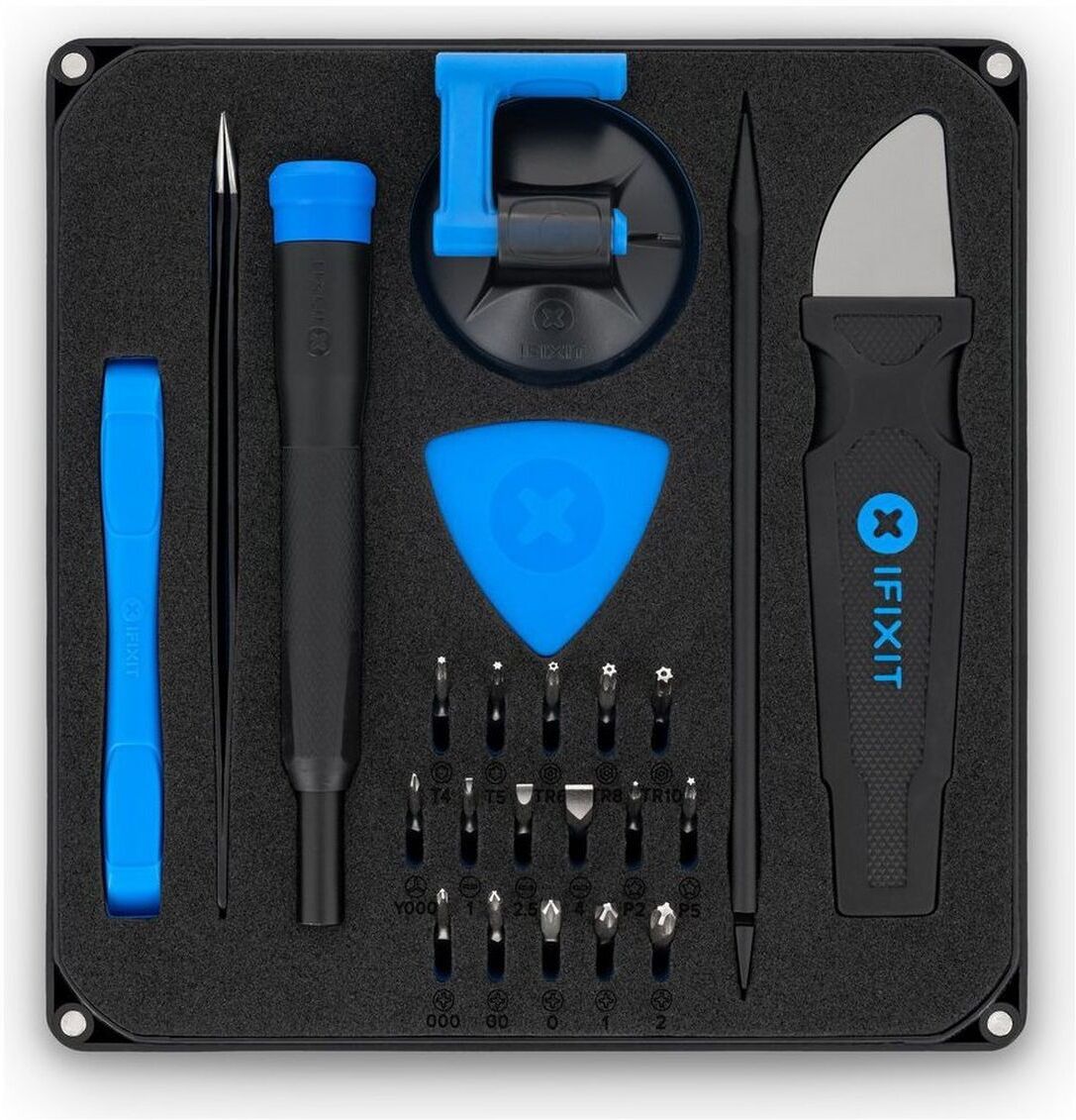
iFixit Essential Electronics ToolkitThe iFixit Essential Electronics Toolkit is a compact starter repair kit for phones, tablets, laptops, game consoles and other small electronics. It includes a precision bit driver with 16 precision bits plus the basic opening and prying tools needed for common repairs such as screen and battery replacements.40,99 £*Shipping: 0,00 £Secure redirect to the provider
-
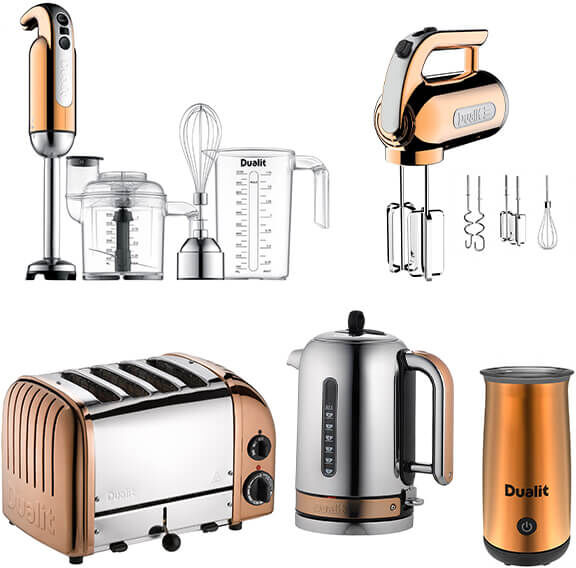
Dualit Copper Set of 5 Kitchen AppliancesElevate Your Kitchen with the Dualit Copper Set of 5 Kitchen Appliances, Where Iconic Meets Elegant. Introducing the Dualit Copper Collection, a reimagined range of classic kitchen appliances with a touch of flair. Designed to bring timeless style and unmatched functionality to your kitchen, this stunning set includes the Classic 4 slice Toaster, Classic Kettle, Cocoatiser Hot Chocolate Maker, Hand Mixer, and Hand Blender, the Copper Collection seamlessly combines high performance with striking aesthetics, making every meal preparation feel like an indulgent experience. Hand Mixer: Power Meets Precision The Dualit Hand Mixer is a sleek, versatile tool designed for the passionate home baker. Its powerful 400W motor and variety of attachments make it perfect for mixing, whipping, kneading, and more. From delicate meringues to dense doughs, this mixer effortlessly handles a wide range of tasks, ensuring perfect results every time. Hand Blender: Versatility at Your Fingertips The 700W Dualit Hand Blender is your go-to kitchen tool for chopping, pureeing, and whisking. With an ergonomic grip and patented anti-suction technology, it offers unmatched control for all your blending needs. Whether you’re making smoothies, soups, or sauces, its variable speed options (7,000-18,000rpm) and powerful turbo function make it a true kitchen workhorse. Classic Toaster: Timeless Design, Modern Features. The 4-Slice Classic Toaster combines Dualit's signature design with advanced features, including ProHeat elements for perfect toasting and a defrost setting for frozen bread. Its energy-efficient slot selector allows you to toast only what you need—perfect for a quick bagel or a full family breakfast. Classic Kettle: Quiet Yet Powerful The Classic Kettle from Dualit offers both style and practicality. Its replaceable element prolongs the lifespan, while Whisper Boil technology ensures a quieter kitchen environment. With a rapid-boil 3kW element, this kettle delivers hot water in a flash. Cocoatiser: Café-Quality Indulgence at Home Treat yourself to rich, smooth hot chocolate at home with the Dualit Cocoatiser™. Create barista-style hot chocolate with your favorite chocolate, experimenting with different types and flavors. The Cocoatiser ensures a velvety texture that rivals your favorite café, making every sip a delight. The Dualit Copper Collection is a statement in both function and form, designed to make everyday moments extraordinary.549,95 £*Shipping: 0,00 £Secure redirect to the provider
-
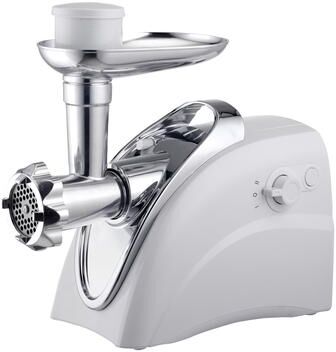
Brentwood Appliances MG-400W White Meat GrinderThis heavy Duty Grinder comes with Stainless Steel Cutting Blades and includes 2pcs of High grade Stainless Steel Cutting discs. It is designed to take on any challenge and is perfect for your signature ground beef and sausages.146,99 $*Shipping: 0,00 $Secure redirect to the provider
-
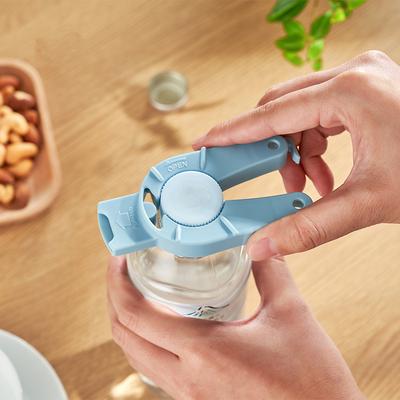
Multisell Products Hub Magnetic Bottle Opener For Household Mineral Water Plastic Beverage Bottles And Cap Opening, Kitchen Accessories Gadgets blueEffortless Cap Opening for Everyday Kitchens Upgrade your routine with this 1 pcs Kitchen Accessories Gadgets Magnetic Bottle Opener for Household Mineral Water Plastic Beverage Bottles and Cap Opening designed for convenience and comfort. It makes...34,97 $*Shipping: 0,00 $Secure redirect to the provider
-
How can one make microplastics visible?
Microplastics can be made visible through the use of specialized equipment such as microscopes or infrared cameras. By magnifying the sample, microplastics that are too small to be seen with the naked eye can be identified and counted. Additionally, specific dyes or fluorescent markers can be used to stain the microplastics, making them easier to detect under certain lighting conditions. Sampling techniques such as filtration or sedimentation can also help concentrate microplastics from a larger sample, making them more visible for analysis. **
-
What is in wastewater: microplastics and silicones?
Wastewater can contain microplastics, which are tiny pieces of plastic less than 5mm in size that come from various sources such as personal care products, clothing, and packaging. Silicones are another common component found in wastewater, which are synthetic compounds used in a variety of products like shampoos, conditioners, and cosmetics. Both microplastics and silicones can pose environmental risks as they can accumulate in water bodies, harm aquatic life, and potentially enter the food chain. **
-
What is in the wastewater: microplastics and silicones?
Wastewater can contain microplastics, which are tiny plastic particles that come from a variety of sources such as clothing fibers, packaging materials, and personal care products. These microplastics can enter the wastewater system through activities like washing clothes or using personal care products. Additionally, silicones, which are synthetic polymers often used in personal care products and industrial processes, can also be found in wastewater. Both microplastics and silicones can pose environmental and health risks, making it important to address their presence in wastewater treatment processes. **
-
Do we all have microplastics in our bodies?
Yes, studies have found that microplastics have been detected in human bodies through various means such as in the gut, lungs, and even in placental tissue. These microplastics can enter our bodies through ingestion of contaminated food and water, as well as through inhalation of airborne particles. While the health impacts of microplastics in our bodies are still being studied, it is clear that they are pervasive in the environment and can accumulate in our bodies over time. **

What is the difference between primary and secondary microplastics?
Primary microplastics are small plastic particles that are intentionally produced for use in products such as exfoliating scrubs, industrial abrasives, and air blasting. Secondary microplastics are the result of the breakdown of larger plastic items, such as water bottles, packaging materials, and fishing nets, due to weathering, sunlight, and mechanical action. Both types of microplastics can have negative impacts on the environment and wildlife, but primary microplastics are directly introduced into the environment, while secondary microplastics result from the degradation of larger plastic items. **
What can be done about microplastics in the oceans?
To address the issue of microplastics in the oceans, several measures can be taken. Firstly, reducing the use of single-use plastics and promoting the use of biodegradable alternatives can help prevent the entry of more plastic into the oceans. Additionally, implementing proper waste management and recycling systems can help reduce the amount of plastic waste that ends up in the oceans. Furthermore, conducting clean-up operations and developing technologies to remove existing microplastics from the oceans can also be effective in mitigating the problem. Finally, raising awareness and educating the public about the impact of microplastics on marine ecosystems can help drive individual and collective action to address the issue. **
Top-Angebote
Products related to Microplastics:
-
Klutz: LEGO GadgetsThis activity kit will have you building 11 machines including a gravity powered car and a wacky boxing robot. The fun doesn't stop once you've completed all of the projects in the book - open-ended prompts will inspire you to continue experimenting...24,99 $*Shipping: 0,00 $Secure redirect to the provider
-
iFixit Essential Electronics ToolkitThe iFixit Essential Electronics Toolkit is a compact starter repair kit for phones, tablets, laptops, game consoles and other small electronics. It includes a precision bit driver with 16 precision bits plus the basic opening and prying tools needed for common repairs such as screen and battery replacements.40,99 £*Shipping: 0,00 £Secure redirect to the provider
-
Dualit Copper Set of 5 Kitchen AppliancesElevate Your Kitchen with the Dualit Copper Set of 5 Kitchen Appliances, Where Iconic Meets Elegant. Introducing the Dualit Copper Collection, a reimagined range of classic kitchen appliances with a touch of flair. Designed to bring timeless style and unmatched functionality to your kitchen, this stunning set includes the Classic 4 slice Toaster, Classic Kettle, Cocoatiser Hot Chocolate Maker, Hand Mixer, and Hand Blender, the Copper Collection seamlessly combines high performance with striking aesthetics, making every meal preparation feel like an indulgent experience. Hand Mixer: Power Meets Precision The Dualit Hand Mixer is a sleek, versatile tool designed for the passionate home baker. Its powerful 400W motor and variety of attachments make it perfect for mixing, whipping, kneading, and more. From delicate meringues to dense doughs, this mixer effortlessly handles a wide range of tasks, ensuring perfect results every time. Hand Blender: Versatility at Your Fingertips The 700W Dualit Hand Blender is your go-to kitchen tool for chopping, pureeing, and whisking. With an ergonomic grip and patented anti-suction technology, it offers unmatched control for all your blending needs. Whether you’re making smoothies, soups, or sauces, its variable speed options (7,000-18,000rpm) and powerful turbo function make it a true kitchen workhorse. Classic Toaster: Timeless Design, Modern Features. The 4-Slice Classic Toaster combines Dualit's signature design with advanced features, including ProHeat elements for perfect toasting and a defrost setting for frozen bread. Its energy-efficient slot selector allows you to toast only what you need—perfect for a quick bagel or a full family breakfast. Classic Kettle: Quiet Yet Powerful The Classic Kettle from Dualit offers both style and practicality. Its replaceable element prolongs the lifespan, while Whisper Boil technology ensures a quieter kitchen environment. With a rapid-boil 3kW element, this kettle delivers hot water in a flash. Cocoatiser: Café-Quality Indulgence at Home Treat yourself to rich, smooth hot chocolate at home with the Dualit Cocoatiser™. Create barista-style hot chocolate with your favorite chocolate, experimenting with different types and flavors. The Cocoatiser ensures a velvety texture that rivals your favorite café, making every sip a delight. The Dualit Copper Collection is a statement in both function and form, designed to make everyday moments extraordinary.549,95 £*Shipping: 0,00 £Secure redirect to the provider
-
How can one detoxify microplastics?
One way to detoxify microplastics is through the use of activated charcoal. Activated charcoal has a porous structure that can trap and bind to toxins, including microplastics, and help remove them from the body. Another method is to consume foods and supplements that support the body's natural detoxification processes, such as antioxidants and fiber-rich foods. Additionally, reducing exposure to sources of microplastics, such as single-use plastics and contaminated water, can help prevent further accumulation in the body. **
-
How can microplastics be made visible?
Microplastics can be made visible through various methods such as using specialized equipment like microscopes or infrared spectroscopy to detect and analyze them. Additionally, researchers can use fluorescent dyes that bind specifically to microplastics, making them easier to see under certain lighting conditions. Another method is filtering water samples and examining the residue left behind, as microplastics will be captured on the filter. Overall, a combination of techniques is often used to effectively visualize and quantify microplastics in different environments. **
-
How can one make microplastics visible?
Microplastics can be made visible through the use of specialized equipment such as microscopes or infrared cameras. By magnifying the sample, microplastics that are too small to be seen with the naked eye can be identified and counted. Additionally, specific dyes or fluorescent markers can be used to stain the microplastics, making them easier to detect under certain lighting conditions. Sampling techniques such as filtration or sedimentation can also help concentrate microplastics from a larger sample, making them more visible for analysis. **
-
What is in wastewater: microplastics and silicones?
Wastewater can contain microplastics, which are tiny pieces of plastic less than 5mm in size that come from various sources such as personal care products, clothing, and packaging. Silicones are another common component found in wastewater, which are synthetic compounds used in a variety of products like shampoos, conditioners, and cosmetics. Both microplastics and silicones can pose environmental risks as they can accumulate in water bodies, harm aquatic life, and potentially enter the food chain. **
Similar search terms for Microplastics
-
Brentwood Appliances MG-400W White Meat GrinderThis heavy Duty Grinder comes with Stainless Steel Cutting Blades and includes 2pcs of High grade Stainless Steel Cutting discs. It is designed to take on any challenge and is perfect for your signature ground beef and sausages.146,99 $*Shipping: 0,00 $Secure redirect to the provider
-
Multisell Products Hub Magnetic Bottle Opener For Household Mineral Water Plastic Beverage Bottles And Cap Opening, Kitchen Accessories Gadgets blueEffortless Cap Opening for Everyday Kitchens Upgrade your routine with this 1 pcs Kitchen Accessories Gadgets Magnetic Bottle Opener for Household Mineral Water Plastic Beverage Bottles and Cap Opening designed for convenience and comfort. It makes...34,97 $*Shipping: 0,00 $Secure redirect to the provider
-
Sage Appliances Stainless Steel The Knock Box 20Sage Appliances presents the Knock Box™ 20, elevate your coffee experience with this essential accessory for your coffee machine. Say goodbye to messy cleanups - just tap the portafilter against the knock bar to effortlessly and neatly dispose of the coffee puck. Product Features Capacity: 20 Espresso Pucks Made from stainless steel with the Sage Luxe finish Durable knock bar is removable for easy cleaning Anti-slip base for stability on the countertop Other products are available in the Sage range Dimensions: W 16.4cm x D 16.2cm x H 16.2cm 2-Year Guarantee Hand wash only39,95 £*Shipping: 4,99 £Secure redirect to the provider
-
What is in the wastewater: microplastics and silicones?
Wastewater can contain microplastics, which are tiny plastic particles that come from a variety of sources such as clothing fibers, packaging materials, and personal care products. These microplastics can enter the wastewater system through activities like washing clothes or using personal care products. Additionally, silicones, which are synthetic polymers often used in personal care products and industrial processes, can also be found in wastewater. Both microplastics and silicones can pose environmental and health risks, making it important to address their presence in wastewater treatment processes. **
-
Do we all have microplastics in our bodies?
Yes, studies have found that microplastics have been detected in human bodies through various means such as in the gut, lungs, and even in placental tissue. These microplastics can enter our bodies through ingestion of contaminated food and water, as well as through inhalation of airborne particles. While the health impacts of microplastics in our bodies are still being studied, it is clear that they are pervasive in the environment and can accumulate in our bodies over time. **
-
What is the difference between primary and secondary microplastics?
Primary microplastics are small plastic particles that are intentionally produced for use in products such as exfoliating scrubs, industrial abrasives, and air blasting. Secondary microplastics are the result of the breakdown of larger plastic items, such as water bottles, packaging materials, and fishing nets, due to weathering, sunlight, and mechanical action. Both types of microplastics can have negative impacts on the environment and wildlife, but primary microplastics are directly introduced into the environment, while secondary microplastics result from the degradation of larger plastic items. **
-
What can be done about microplastics in the oceans?
To address the issue of microplastics in the oceans, several measures can be taken. Firstly, reducing the use of single-use plastics and promoting the use of biodegradable alternatives can help prevent the entry of more plastic into the oceans. Additionally, implementing proper waste management and recycling systems can help reduce the amount of plastic waste that ends up in the oceans. Furthermore, conducting clean-up operations and developing technologies to remove existing microplastics from the oceans can also be effective in mitigating the problem. Finally, raising awareness and educating the public about the impact of microplastics on marine ecosystems can help drive individual and collective action to address the issue. **
* All prices are inclusive of VAT and, if applicable, plus shipping costs. The offer information is based on the details provided by the respective shop and is updated through automated processes. Real-time updates do not occur, so deviations can occur in individual cases. ** Note: Parts of this content were created by AI.