Buy eiecan.eu ?
We are moving the project
eiecan.eu .
Are you interested in purchasing the domain
eiecan.eu ?
domain@kv-gmbh.de · 0541-91531010
Buy eiecan.eu ?
What is the motive in a fugue?
The motive in a fugue is a short musical idea or theme that is introduced at the beginning of the piece and serves as the foundation for the entire composition. It is typically a distinctive and recognizable melody that is repeated and developed throughout the fugue. The motive is subject to various transformations such as inversion, retrograde, augmentation, and diminution as it is passed between different voices in the fugue. The motive helps to unify the composition and create a sense of coherence and structure within the complex contrapuntal texture of a fugue. **
How can I compose a fugue myself?
To compose a fugue, start by choosing a subject or theme that will be the main melody of the piece. Develop this subject by creating countersubjects and episodes that will complement and contrast with the main theme. Pay attention to the rules of fugue writing, such as maintaining strict counterpoint and following the principles of voice leading. Finally, structure your fugue by organizing the entrances of the subject and developing the piece through different keys and variations. Practice and study fugues by great composers to improve your skills in composing your own fugue. **


Similar search terms for Fugue
Top-Angebote
Products related to Fugue:
-
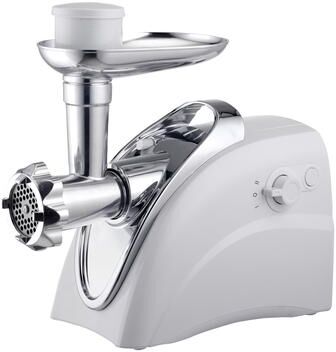
Brentwood Appliances MG-400W White Meat GrinderThis heavy Duty Grinder comes with Stainless Steel Cutting Blades and includes 2pcs of High grade Stainless Steel Cutting discs. It is designed to take on any challenge and is perfect for your signature ground beef and sausages.146,99 $*Shipping: 0,00 $Secure redirect to the provider
-
Multisell Products Hub Magnetic Bottle Opener For Household Mineral Water Plastic Beverage Bottles And Cap Opening, Kitchen Accessories Gadgets blueEffortless Cap Opening for Everyday Kitchens Upgrade your routine with this 1 pcs Kitchen Accessories Gadgets Magnetic Bottle Opener for Household Mineral Water Plastic Beverage Bottles and Cap Opening designed for convenience and comfort. It makes...34,97 $*Shipping: 0,00 $Secure redirect to the provider
-
All Categories Goods Outdoor Waterproof Light Timer With Heavy Duty Electrical Timer For Lights & Appliances Outdoor Waterproof Light Timer With Heavy Duty Electrical Timer For Lights & AppliancesTransform how you manage your outdoor lighting and appliances with the Outdoor light timer. Perfect for anyone looking to automate their outdoor lights, pool pumps, or other electrical devices, this timer is designed to save energy and provide...71,97 $*Shipping: 0,00 $Secure redirect to the provider



-
What is the structure of a fugue?
A fugue typically consists of three main sections: the exposition, the middle section (episodes), and the final section (recapitulation). The exposition introduces the main theme (subject) in one voice, followed by the same theme in a different voice (answer). The middle section features episodes where the theme is developed and explored in various keys and variations. The final section brings back the theme in all voices, often with additional counterpoint and variations, leading to a climactic conclusion. **
-
What is the motif in a fugue?
The motif in a fugue is a short musical idea or theme that is introduced at the beginning of the piece. This motif serves as the foundation for the entire composition, as it is developed and transformed throughout the fugue. It is typically heard in different voices and keys, creating a sense of unity and coherence in the music. The motif is a key element in the structure and development of a fugue, providing a framework for the intricate counterpoint and interplay of voices that characterize this musical form. **
-
How do you analyze a fugue in music?
Analyzing a fugue in music involves identifying the main theme, or subject, and its variations throughout the piece. It also involves recognizing the different voices or parts that enter with the subject in a contrapuntal manner. Paying attention to the development and interplay of these voices, as well as the use of different techniques such as inversion, retrograde, and augmentation, is crucial in understanding the structure and complexity of a fugue. Additionally, analyzing the overall form, key changes, and relationships between the different sections of the fugue can provide insight into the composer's intentions and creative choices. **
-
How does one analyze a fugue in music?
Analyzing a fugue in music involves identifying the main theme, or subject, and its variations throughout the piece. One must also recognize the different voices or parts that enter with the subject in a contrapuntal manner. It is important to pay attention to the development of the subject, as well as any episodes or sections that provide contrast to the main theme. Finally, understanding the overall structure and form of the fugue, such as the exposition, episodes, and final statement of the subject, is crucial in analyzing this complex musical form. **

How do I analyze a fugue in music?
To analyze a fugue in music, start by identifying the subject, countersubject, and episodes within the piece. Pay attention to the entrances of the subject in different voices and how they interact with each other. Look for instances of stretto, where the subject is imitated in a close overlapping manner. Consider the tonal structure and how the piece modulates between different keys. Finally, examine the overall form and structure of the fugue, including the exposition, development, and recapitulation. **
How can I compose a fugue by myself?
To compose a fugue by yourself, start by choosing a subject or theme that will be the main melody of the fugue. Then, create a countersubject that will complement the subject. Next, determine the order in which the subject and countersubject will appear in the different voices of the fugue. After that, write the exposition, where the subject and countersubject are introduced in each voice. Finally, develop the fugue by alternating between episodes and restatements of the subject and countersubject, while following the rules of counterpoint. It's important to study and analyze fugues by other composers to understand the structure and techniques used in fugue composition. **
Top-Angebote
Products related to Fugue:
-
Klutz: LEGO GadgetsThis activity kit will have you building 11 machines including a gravity powered car and a wacky boxing robot. The fun doesn't stop once you've completed all of the projects in the book - open-ended prompts will inspire you to continue experimenting...24,99 $*Shipping: 0,00 $Secure redirect to the provider
-
Dualit Copper Set of 5 Kitchen AppliancesElevate Your Kitchen with the Dualit Copper Set of 5 Kitchen Appliances, Where Iconic Meets Elegant. Introducing the Dualit Copper Collection, a reimagined range of classic kitchen appliances with a touch of flair. Designed to bring timeless style and unmatched functionality to your kitchen, this stunning set includes the Classic 4 slice Toaster, Classic Kettle, Cocoatiser Hot Chocolate Maker, Hand Mixer, and Hand Blender, the Copper Collection seamlessly combines high performance with striking aesthetics, making every meal preparation feel like an indulgent experience. Hand Mixer: Power Meets Precision The Dualit Hand Mixer is a sleek, versatile tool designed for the passionate home baker. Its powerful 400W motor and variety of attachments make it perfect for mixing, whipping, kneading, and more. From delicate meringues to dense doughs, this mixer effortlessly handles a wide range of tasks, ensuring perfect results every time. Hand Blender: Versatility at Your Fingertips The 700W Dualit Hand Blender is your go-to kitchen tool for chopping, pureeing, and whisking. With an ergonomic grip and patented anti-suction technology, it offers unmatched control for all your blending needs. Whether you’re making smoothies, soups, or sauces, its variable speed options (7,000-18,000rpm) and powerful turbo function make it a true kitchen workhorse. Classic Toaster: Timeless Design, Modern Features. The 4-Slice Classic Toaster combines Dualit's signature design with advanced features, including ProHeat elements for perfect toasting and a defrost setting for frozen bread. Its energy-efficient slot selector allows you to toast only what you need—perfect for a quick bagel or a full family breakfast. Classic Kettle: Quiet Yet Powerful The Classic Kettle from Dualit offers both style and practicality. Its replaceable element prolongs the lifespan, while Whisper Boil technology ensures a quieter kitchen environment. With a rapid-boil 3kW element, this kettle delivers hot water in a flash. Cocoatiser: Café-Quality Indulgence at Home Treat yourself to rich, smooth hot chocolate at home with the Dualit Cocoatiser™. Create barista-style hot chocolate with your favorite chocolate, experimenting with different types and flavors. The Cocoatiser ensures a velvety texture that rivals your favorite café, making every sip a delight. The Dualit Copper Collection is a statement in both function and form, designed to make everyday moments extraordinary.549,95 £*Shipping: 0,00 £Secure redirect to the provider
-
Brentwood Appliances MG-400W White Meat GrinderThis heavy Duty Grinder comes with Stainless Steel Cutting Blades and includes 2pcs of High grade Stainless Steel Cutting discs. It is designed to take on any challenge and is perfect for your signature ground beef and sausages.146,99 $*Shipping: 0,00 $Secure redirect to the provider
-
What is the motive in a fugue?
The motive in a fugue is a short musical idea or theme that is introduced at the beginning of the piece and serves as the foundation for the entire composition. It is typically a distinctive and recognizable melody that is repeated and developed throughout the fugue. The motive is subject to various transformations such as inversion, retrograde, augmentation, and diminution as it is passed between different voices in the fugue. The motive helps to unify the composition and create a sense of coherence and structure within the complex contrapuntal texture of a fugue. **
-
How can I compose a fugue myself?
To compose a fugue, start by choosing a subject or theme that will be the main melody of the piece. Develop this subject by creating countersubjects and episodes that will complement and contrast with the main theme. Pay attention to the rules of fugue writing, such as maintaining strict counterpoint and following the principles of voice leading. Finally, structure your fugue by organizing the entrances of the subject and developing the piece through different keys and variations. Practice and study fugues by great composers to improve your skills in composing your own fugue. **
-
What is the structure of a fugue?
A fugue typically consists of three main sections: the exposition, the middle section (episodes), and the final section (recapitulation). The exposition introduces the main theme (subject) in one voice, followed by the same theme in a different voice (answer). The middle section features episodes where the theme is developed and explored in various keys and variations. The final section brings back the theme in all voices, often with additional counterpoint and variations, leading to a climactic conclusion. **
-
What is the motif in a fugue?
The motif in a fugue is a short musical idea or theme that is introduced at the beginning of the piece. This motif serves as the foundation for the entire composition, as it is developed and transformed throughout the fugue. It is typically heard in different voices and keys, creating a sense of unity and coherence in the music. The motif is a key element in the structure and development of a fugue, providing a framework for the intricate counterpoint and interplay of voices that characterize this musical form. **
Similar search terms for Fugue
-
Multisell Products Hub Magnetic Bottle Opener For Household Mineral Water Plastic Beverage Bottles And Cap Opening, Kitchen Accessories Gadgets blueEffortless Cap Opening for Everyday Kitchens Upgrade your routine with this 1 pcs Kitchen Accessories Gadgets Magnetic Bottle Opener for Household Mineral Water Plastic Beverage Bottles and Cap Opening designed for convenience and comfort. It makes...34,97 $*Shipping: 0,00 $Secure redirect to the provider
-
All Categories Goods Outdoor Waterproof Light Timer With Heavy Duty Electrical Timer For Lights & Appliances Outdoor Waterproof Light Timer With Heavy Duty Electrical Timer For Lights & AppliancesTransform how you manage your outdoor lighting and appliances with the Outdoor light timer. Perfect for anyone looking to automate their outdoor lights, pool pumps, or other electrical devices, this timer is designed to save energy and provide...71,97 $*Shipping: 0,00 $Secure redirect to the provider
-
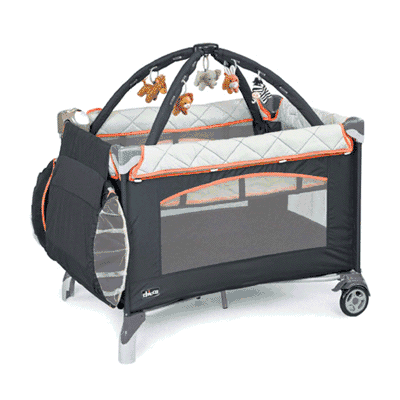
Chicco Lullaby Playard with Electronics in IcebergQuilted mattress is thickly padded for babys nap time or playtime comfort ; Removable mattress covering is easy to machine wash ; Changing table is elevated for ease of use and thickly padded for babys comfort ; Quilted bassinet is perfect for...159,99 $*Shipping: 0,00 $Secure redirect to the provider
-
How do you analyze a fugue in music?
Analyzing a fugue in music involves identifying the main theme, or subject, and its variations throughout the piece. It also involves recognizing the different voices or parts that enter with the subject in a contrapuntal manner. Paying attention to the development and interplay of these voices, as well as the use of different techniques such as inversion, retrograde, and augmentation, is crucial in understanding the structure and complexity of a fugue. Additionally, analyzing the overall form, key changes, and relationships between the different sections of the fugue can provide insight into the composer's intentions and creative choices. **
-
How does one analyze a fugue in music?
Analyzing a fugue in music involves identifying the main theme, or subject, and its variations throughout the piece. One must also recognize the different voices or parts that enter with the subject in a contrapuntal manner. It is important to pay attention to the development of the subject, as well as any episodes or sections that provide contrast to the main theme. Finally, understanding the overall structure and form of the fugue, such as the exposition, episodes, and final statement of the subject, is crucial in analyzing this complex musical form. **
-
How do I analyze a fugue in music?
To analyze a fugue in music, start by identifying the subject, countersubject, and episodes within the piece. Pay attention to the entrances of the subject in different voices and how they interact with each other. Look for instances of stretto, where the subject is imitated in a close overlapping manner. Consider the tonal structure and how the piece modulates between different keys. Finally, examine the overall form and structure of the fugue, including the exposition, development, and recapitulation. **
-
How can I compose a fugue by myself?
To compose a fugue by yourself, start by choosing a subject or theme that will be the main melody of the fugue. Then, create a countersubject that will complement the subject. Next, determine the order in which the subject and countersubject will appear in the different voices of the fugue. After that, write the exposition, where the subject and countersubject are introduced in each voice. Finally, develop the fugue by alternating between episodes and restatements of the subject and countersubject, while following the rules of counterpoint. It's important to study and analyze fugues by other composers to understand the structure and techniques used in fugue composition. **
* All prices are inclusive of VAT and, if applicable, plus shipping costs. The offer information is based on the details provided by the respective shop and is updated through automated processes. Real-time updates do not occur, so deviations can occur in individual cases. ** Note: Parts of this content were created by AI.